
What Is A Rhinoplasty?
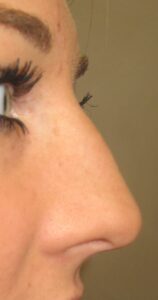
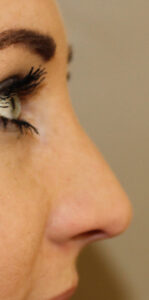
The rhinoplasty, also referred to as a ‘nose job’ is a specialised plastic surgery procedure aimed to enhance and define the appearance of the nose.
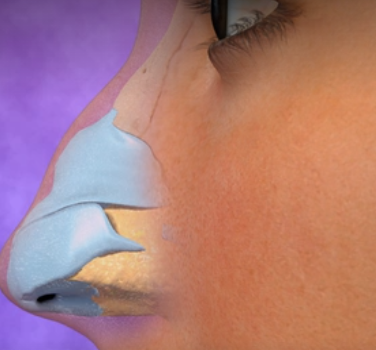
This is done by reshaping the cartilage and bone and manipulating the structure to achieve a much more defined and contoured appearance. For those considering rhinoplasty in Manchester, this procedure can be tailored to your bespoke needs, addressing specific areas of concern such as the nasal tip, bridge and nostrils, or for functionality concerns, the rhinoplasty surgery can resolve deviated septums, nasal fractures and more.
Who Is It Suitable For?
Rhinoplasty in Manchester is suitable for those who are unhappy with the size and shape of their nose. For example, those with a prominent ‘dorsal hump’ or ‘bulbous nose’ may seek rhinoplasty surgery to contour their nose into a more desirable shape. Also, those who have experienced trauma to the nose resulting in functional and aesthetic challenges may require rhinoplasty.
Who Is It Not Suitable For?
Those with unrealistic expectations regarding outcomes may not be suitable for rhinoplasty in Manchester. Also, those with a significant medical history may not qualify for rhinoplasty due to health and safety concerns. Most importantly it should not be performed before the ages of 16-18 while the nose is still growing.
How Much Does A Nose Job in Manchester Cost?
The cost of a nose job in Manchester will differ from patient to patient. A full quote will be disclosed after your initial consultation if the rhinoplasty surgeon believes you’re a suitable candidate.
Gary Ross MBChB, MD, FRCS (Plast)
Mr Ross has a plethora of experience from over 20 years within the industry performing transformative plastic surgeries such as rhinoplasty (nose job).
- A member of the BAAPS and the first surgeon to receive certification in Cosmetic surgery from
- Full member of the British Association of Plastic, Reconstructive and Aesthetic Surgeons (BAPRAS)
- British Association of Aesthetic Plastic Surgeons (BAAPS)
- American Society of Plastic Surgeons (ASPS)
- Association of Breast Surgeons (ABS)
- British Association of Head and Neck Oncologists (BAHNO)
- Fully accredited plastic surgeon on the General Medical Council’s specialist register for plastic surgery.
Gary Ross is a highly experienced Rhinoplasty surgeon in Manchester, with over 700 reviews and awards from iWantGreatCare.


Your Rhinoplasty Consultation in Manchester
The success of your rhinoplasty consultation in Manchester depends on your openness and honesty in relation to your expectations of the procedure.
You will be asked questions about your health, desires and lifestyle. Your rhinoplasty surgery in Manchester can be tailored to your needs, although Mr Ross will be thorough with the surgery, pre- and post surgery requirements and all questions are welcome during and after.


Rhinoplasty surgery, also referred to as a “nose job” is a plastic surgery procedure that is used to alter, resize or reshape the nose in line with the desires of the patient. This could be reconstructive, for example, if the patient experiences breathing problems or has broken their nose, or cosmetic, to change the appearance if the patient is unhappy. The specific details of each rhinoplasty surgery differ depending on what needs to be achieved, so a rhinoplasty surgeon in Manchester will be able to give precise information about the procedure itself during a consultation.
An alternative to rhinoplasty surgery would be a non-surgical nose job, which involves dermal filler being injected into the nose and manipulated in order to alter the appearance. The results of this procedure last around 6 months and can be effective if only minor changes to the nose are desired. If more significant and permanent changes are required, then rhinoplasty surgery is likely to be the better option. Again, this is something that can be discussed with a rhinoplasty surgeon during a consultation in Manchester.
Depending on the complexity of the rhinoplasty surgery, the procedure will take between 1 and 2 hours. You will then be taken back to the ward and encouraged to eat, drink and mobilise. You should arrange to be picked up the following day when you will be ready to go home.
Short-term recovery takes around 1-2 weeks following rhinoplasty surgery in Manchester. After this, your nose will become less blocked and any unusual sensations should ease. You will also need to keep the wounds dry during this time and try to avoid hot baths and sneezing. After around a week, you will visit your rhinoplasty surgeon in Manchester and advice may be changed depending on how you are recovering. Make sure to avoid contact sports for at least 6 weeks so that the nasal bones and cartilage have time to fully heal.
It can take 6-12 months for the results of your rhinoplasty surgery to settle fully. During this time, if you have any concerns, contact your rhinoplasty surgeon.
Open rhinoplasty surgery is an external approach where a scar is placed on the outside of the nose. This may be required if the size or shape of the tip is being altered, or for some reconstructive procedures. Closed rhinoplasty is an internal approach, where the scars are inside of the nostrils. During a consultation with a rhinoplasty surgeon in Manchester, the different options depending on your expectations can be discussed.
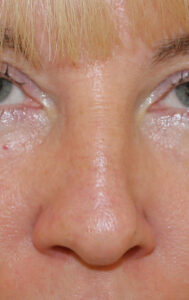
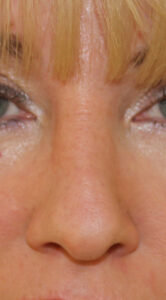
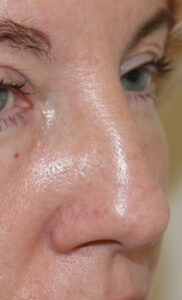
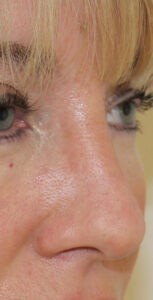
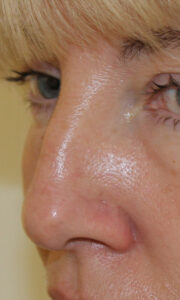
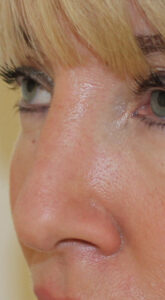
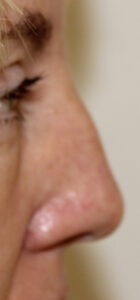
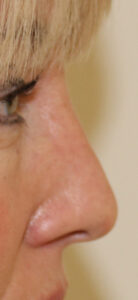
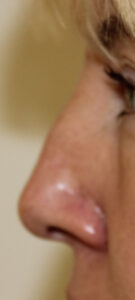
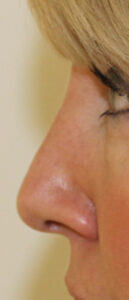
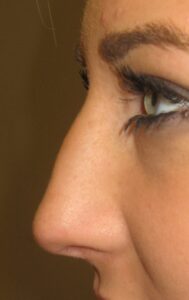
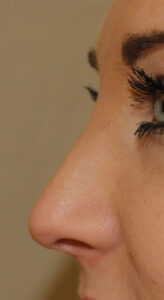
We have an extensive library of rhinoplasty before and after procedures Gary Ross has performed himself. Please be aware that each patient will have their own unique circumstances for wanting the procedure, and should you wish to see more like-for-like examples, Mr Ross can provide this during your consultation.
You can typically resume driving about one week after your rhinoplasty in Manchester, provided you are no longer taking prescription pain medication that could impair your ability to drive. It’s important to feel comfortable turning your head and reacting quickly before getting behind the wheel, in which case it would be best to have someone drive you until you feel completely mobile. Always consult with Gary Ross to confirm when it is safe for you to start driving again, as recovery times can vary based on individual circumstances.